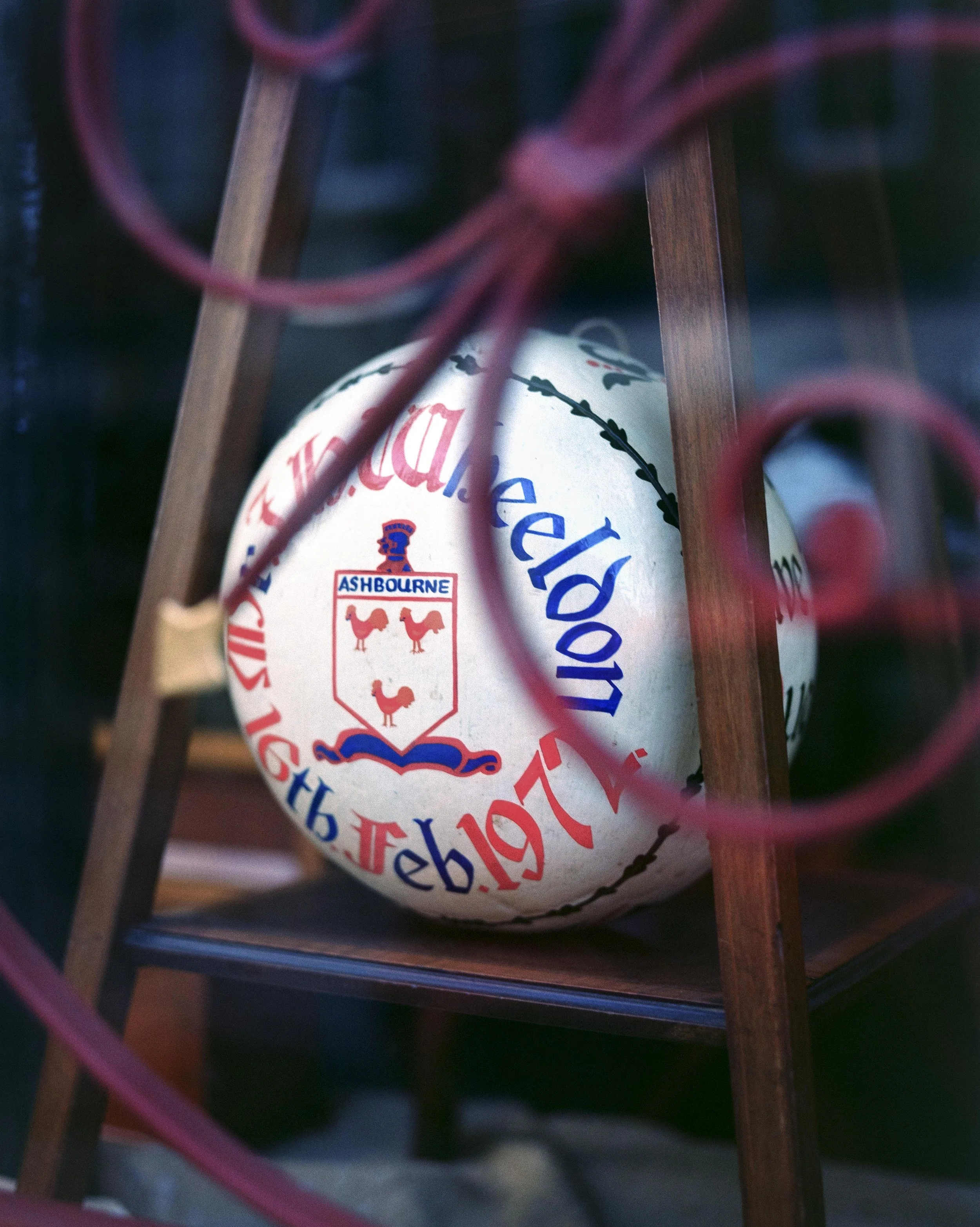
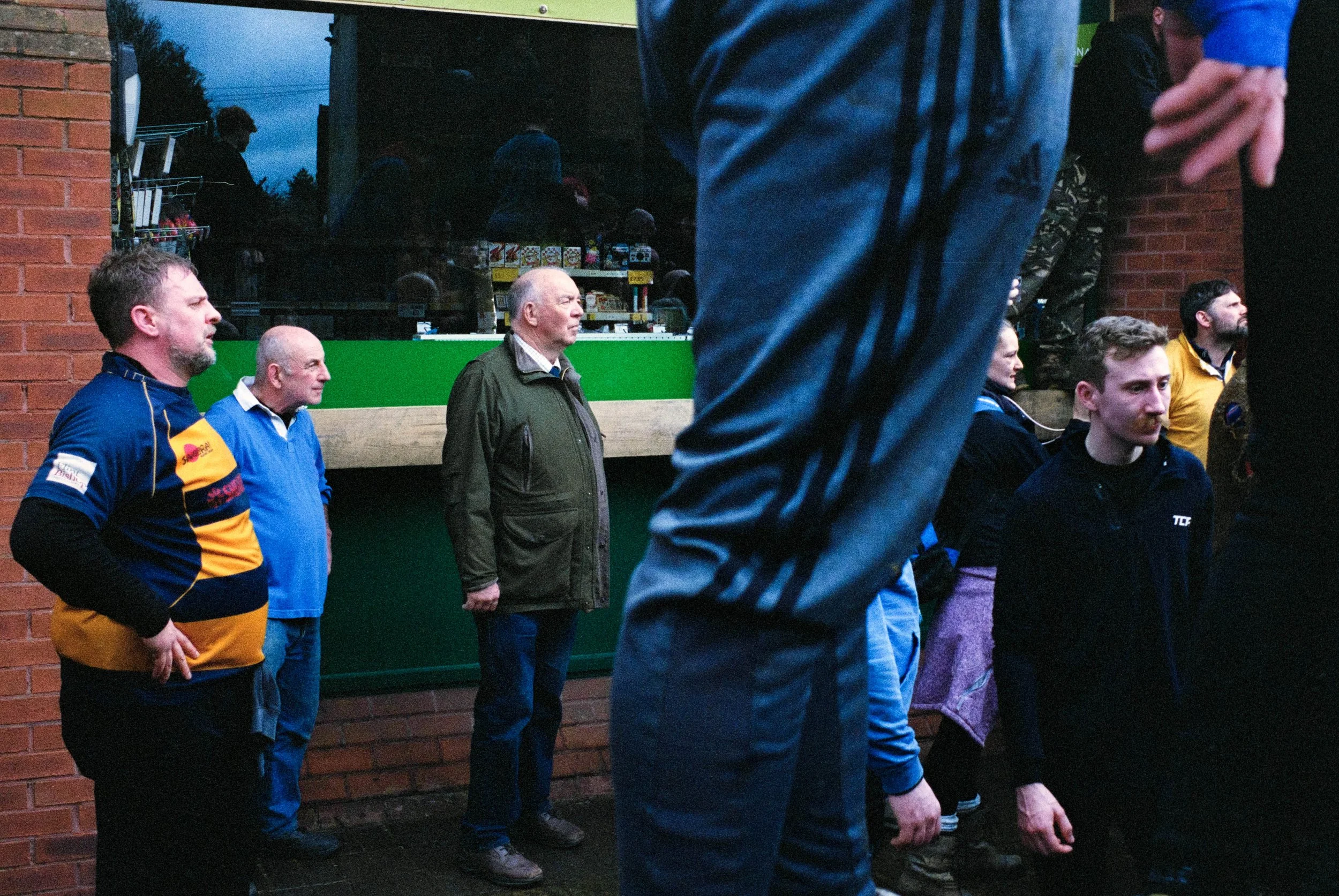
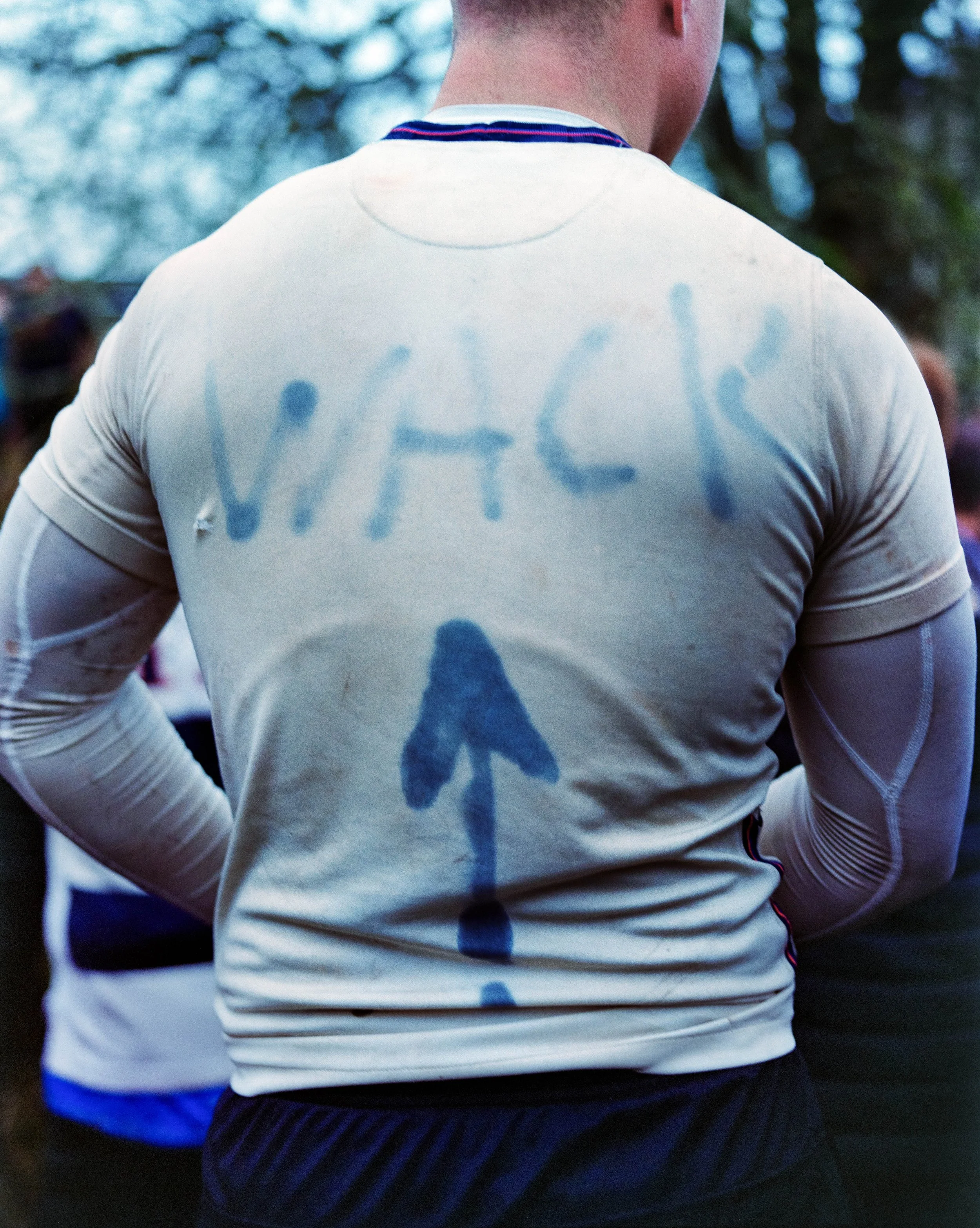

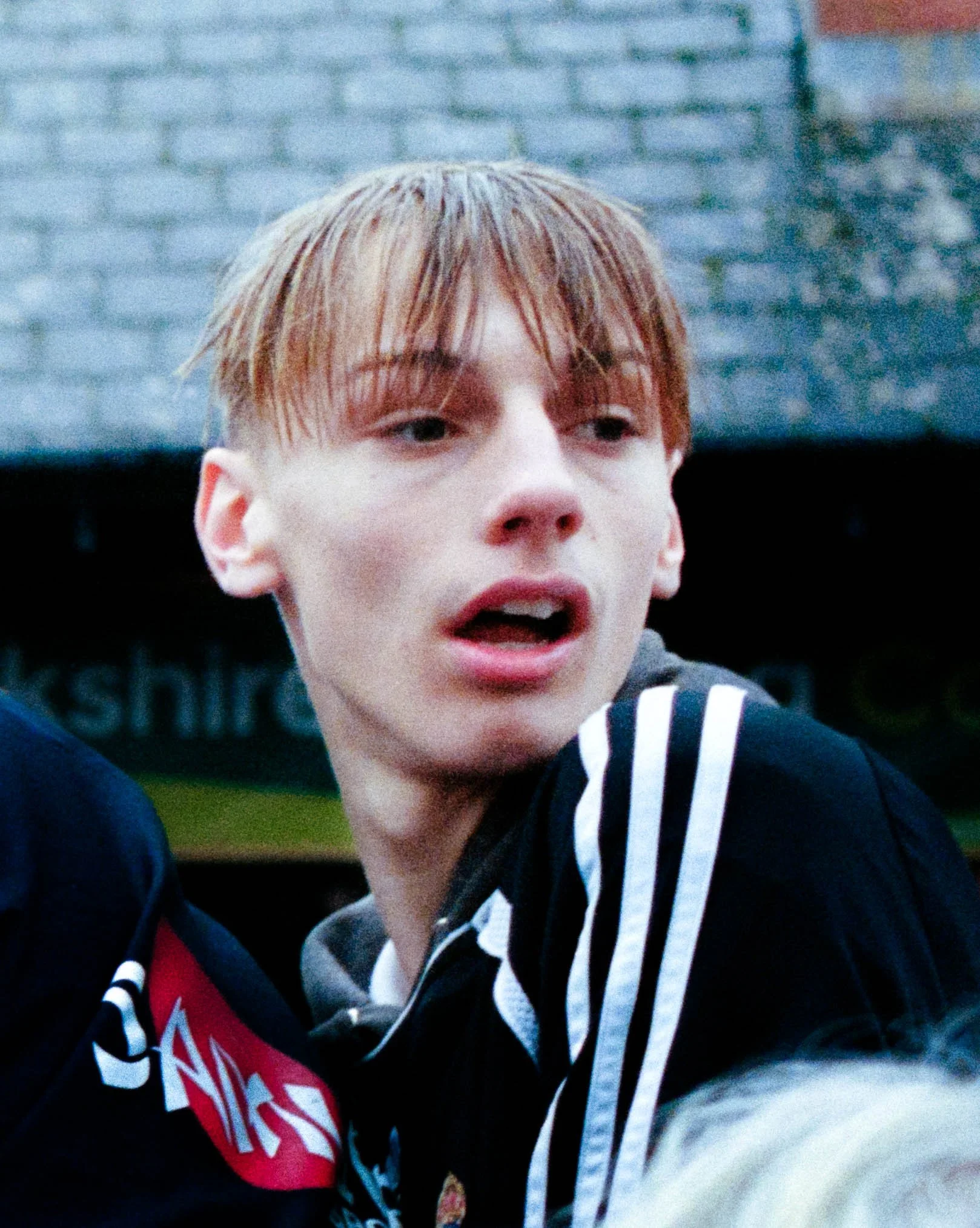


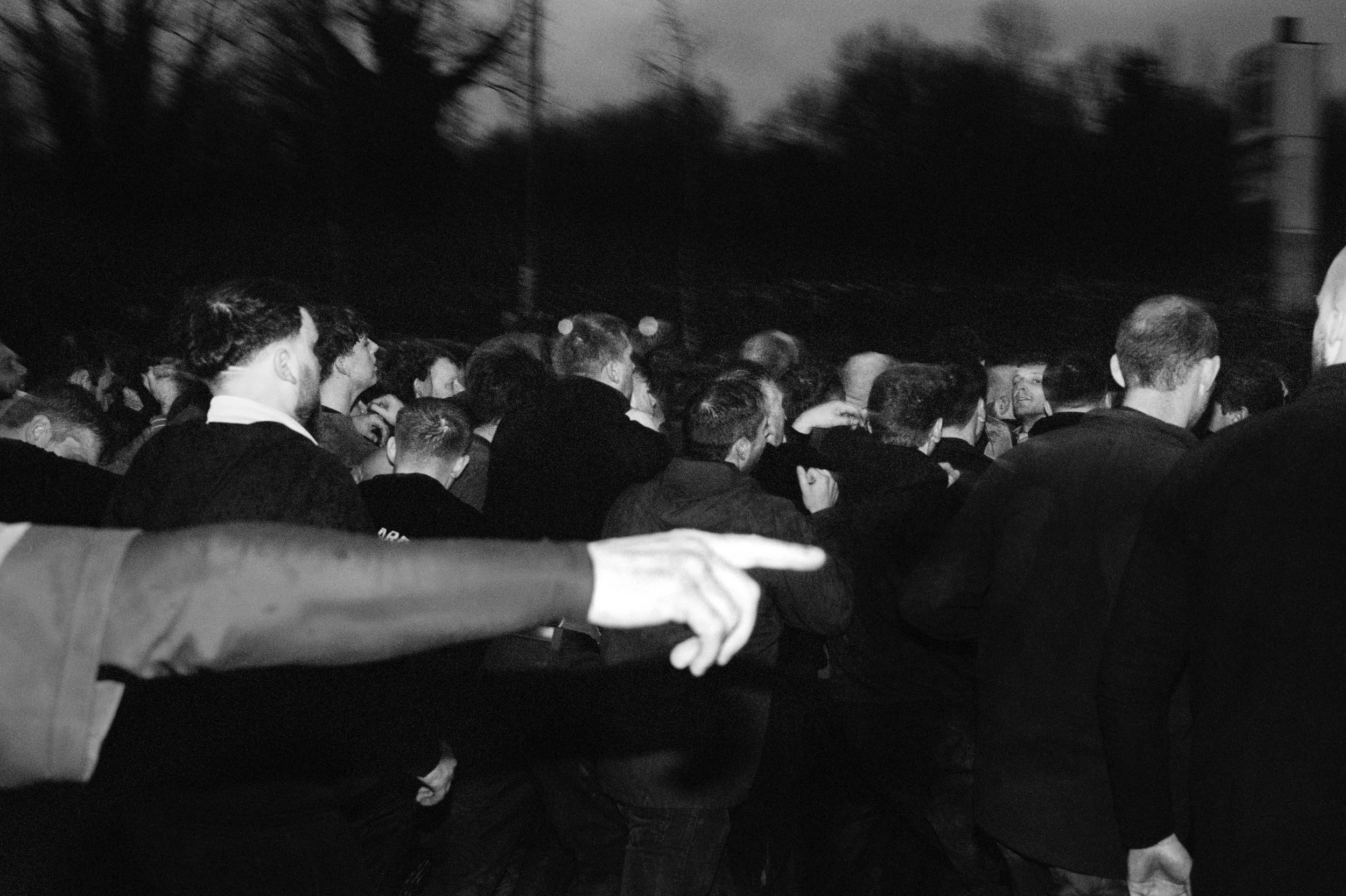
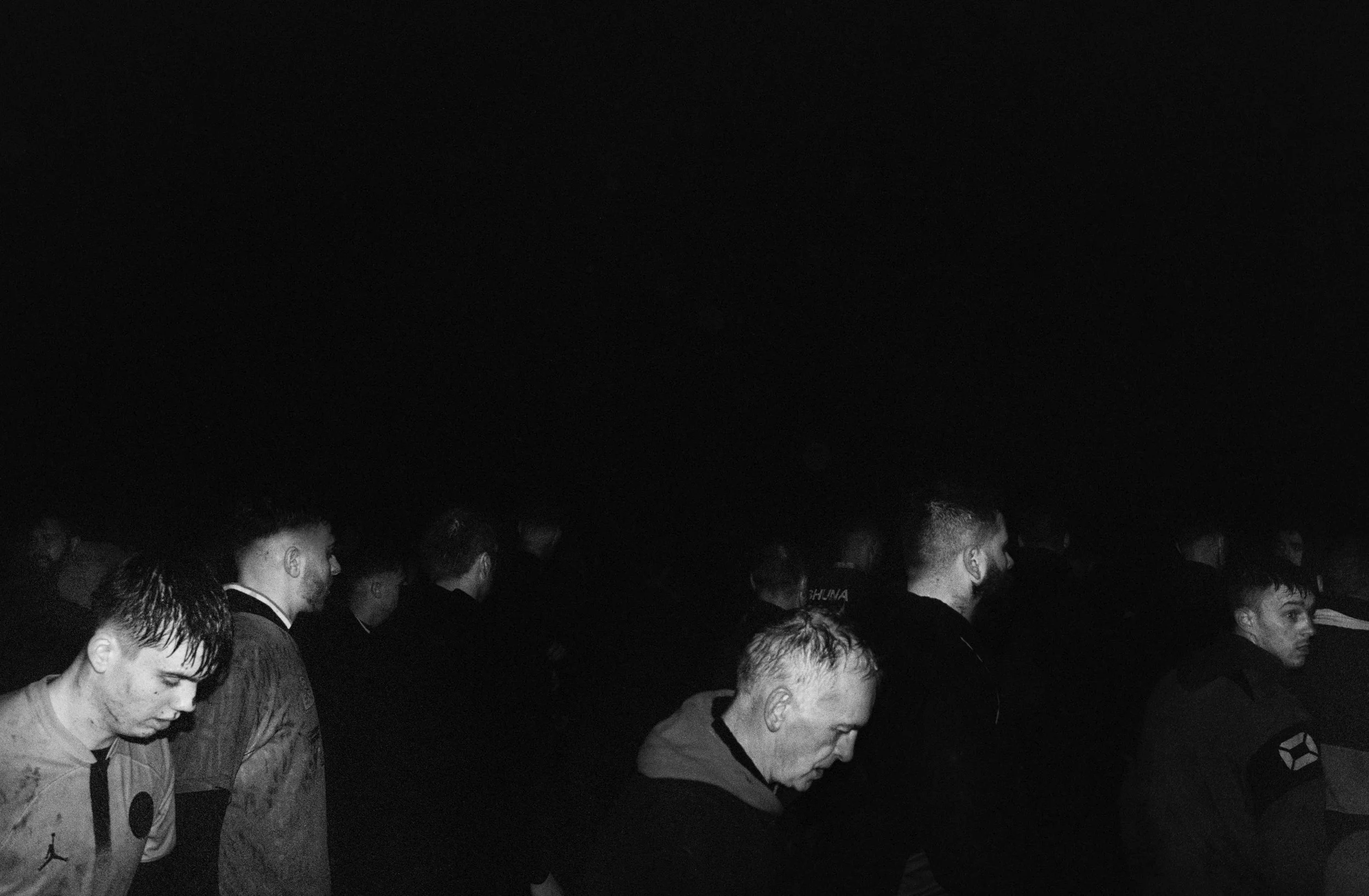
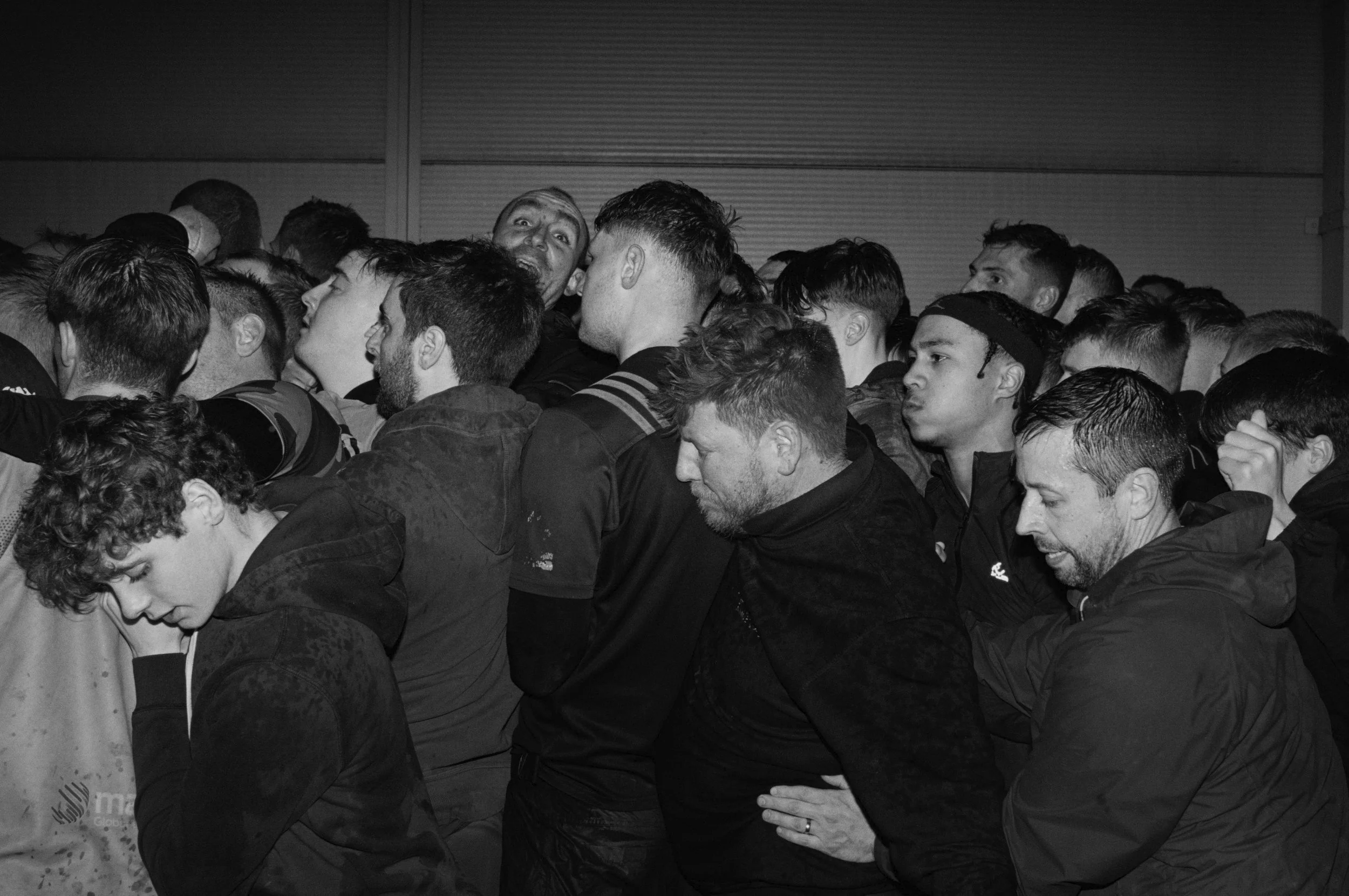
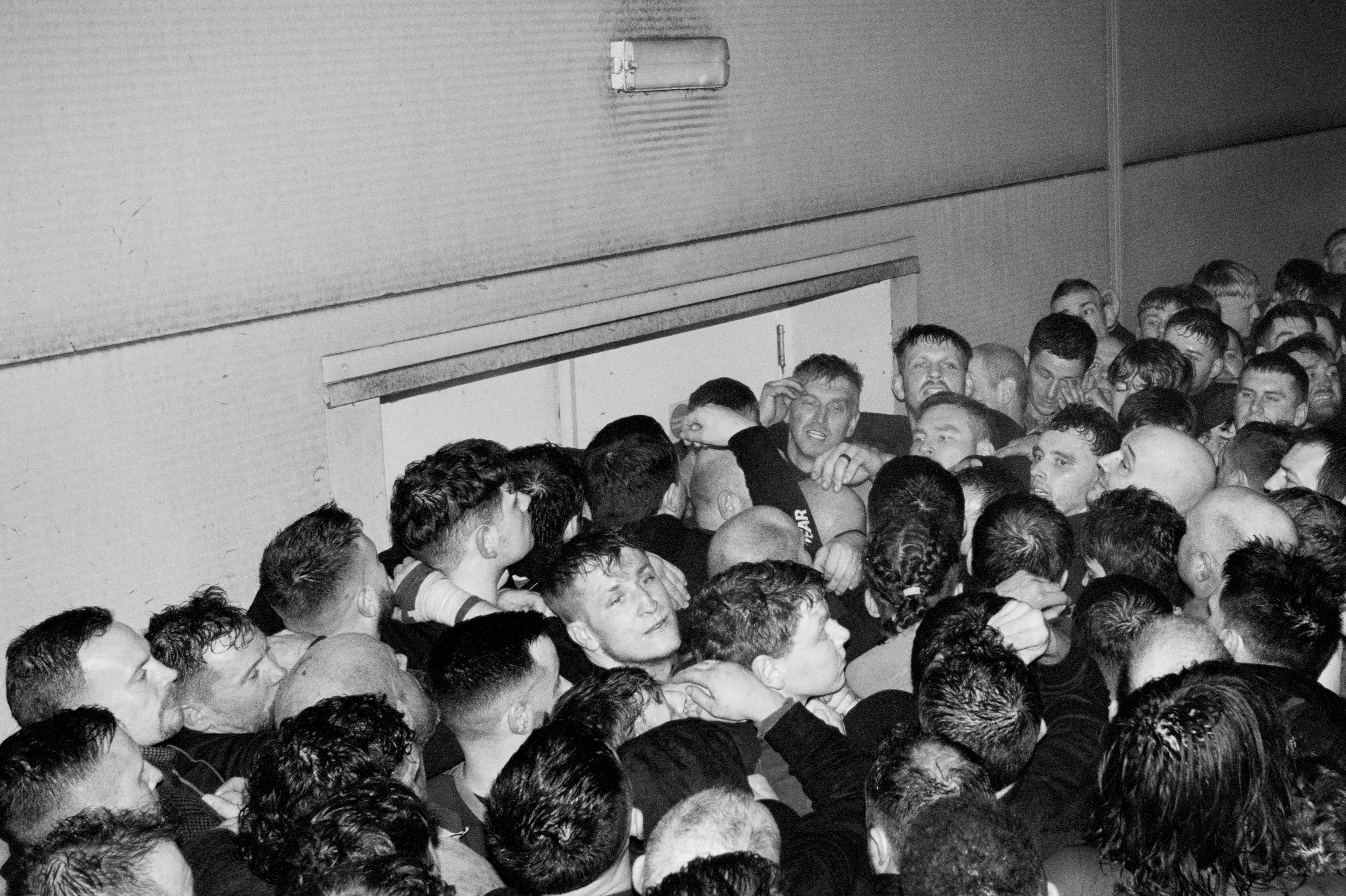
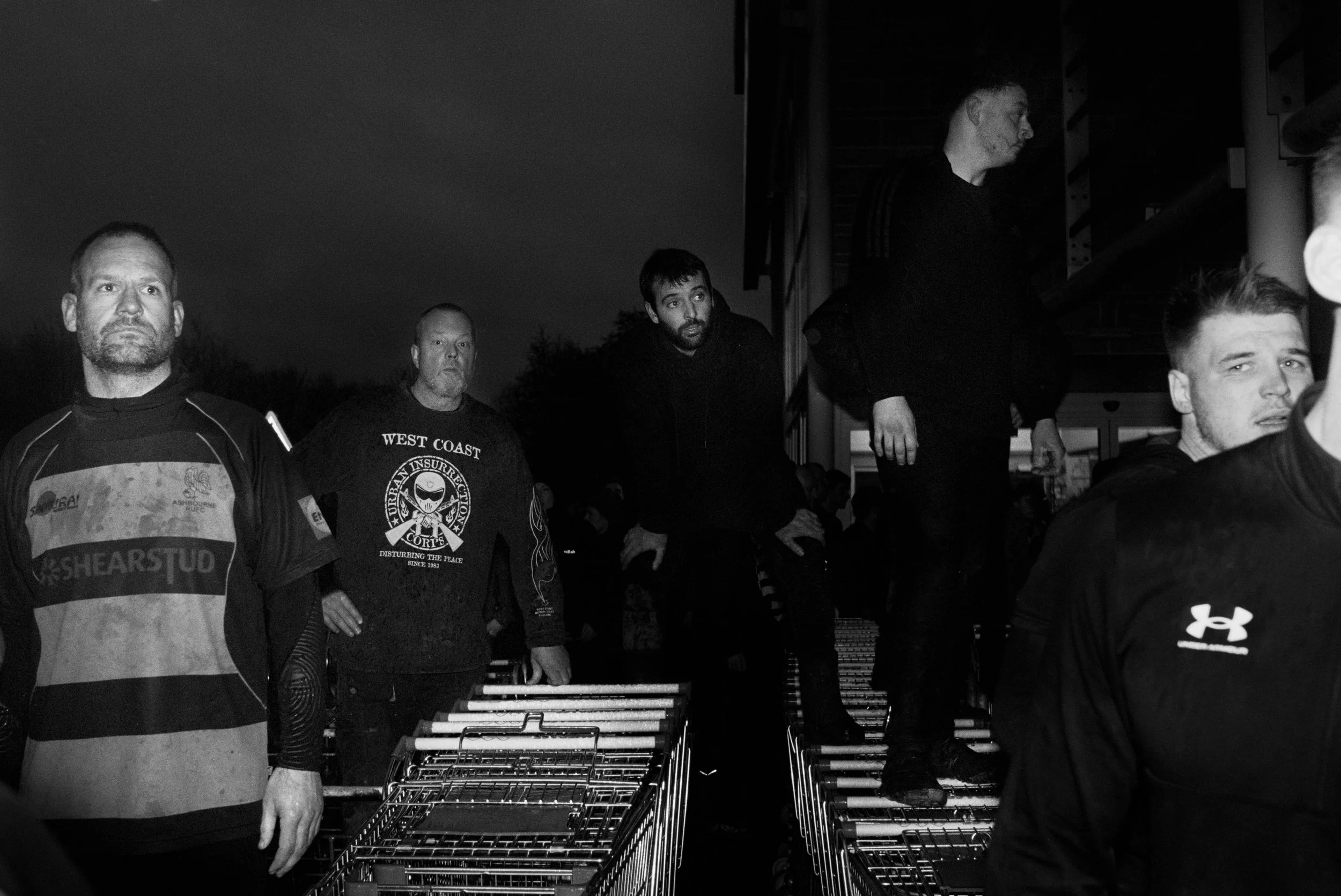
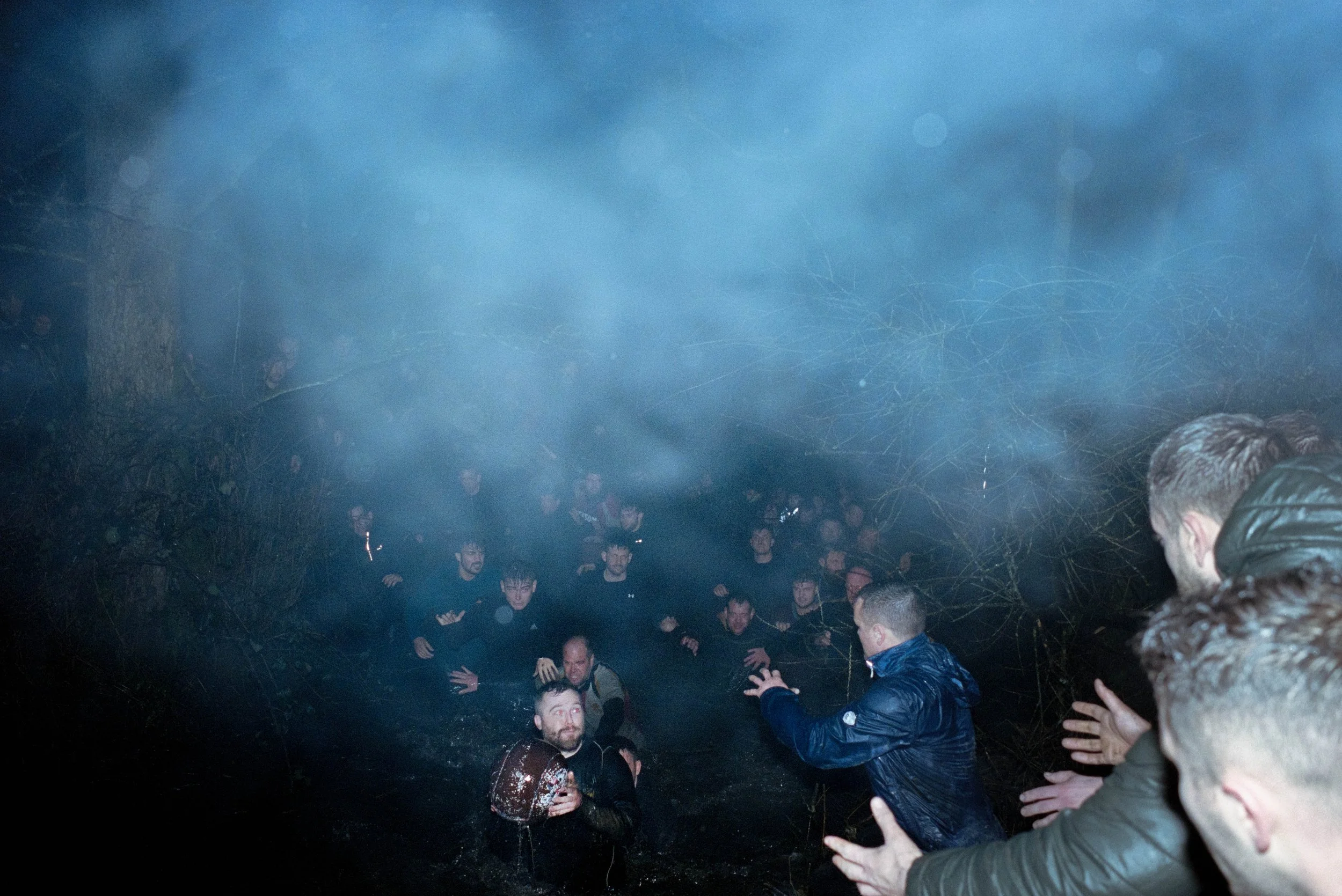

The Royal Shrovetide Football is a centuries-old English tradition that takes place every year in Ashbourne, a small town in Derbyshire, on Shrove Tuesday and Ash Wednesday.
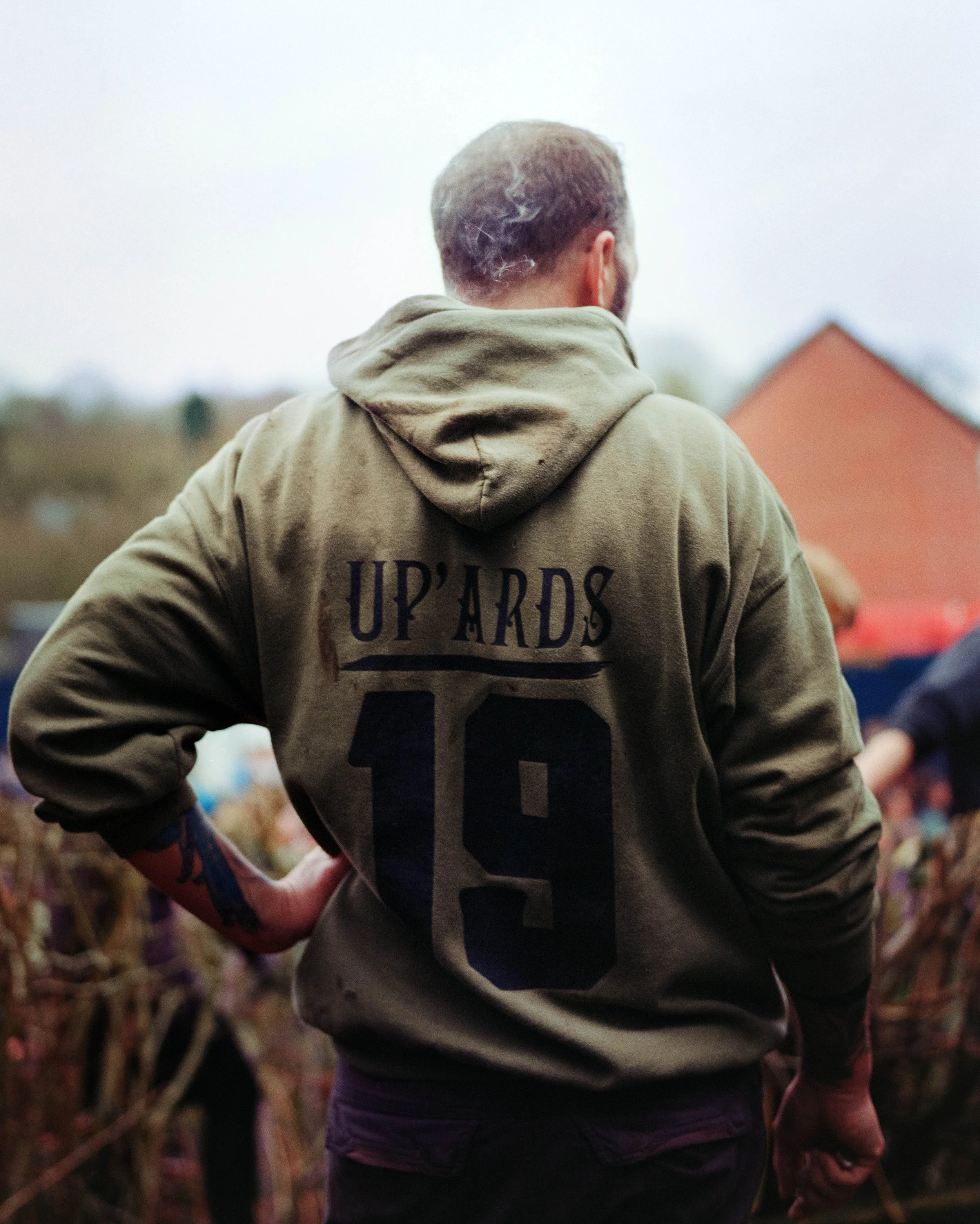
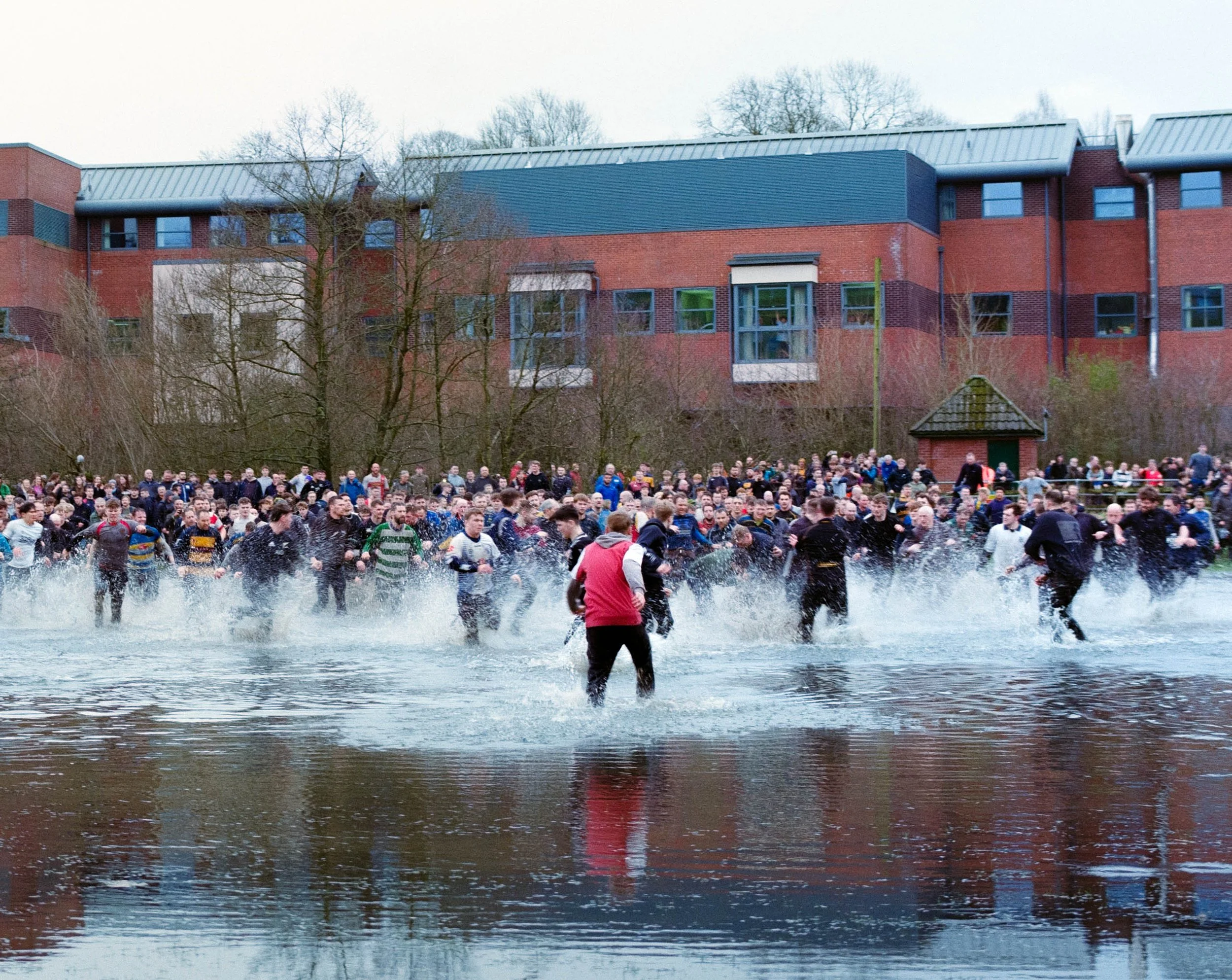
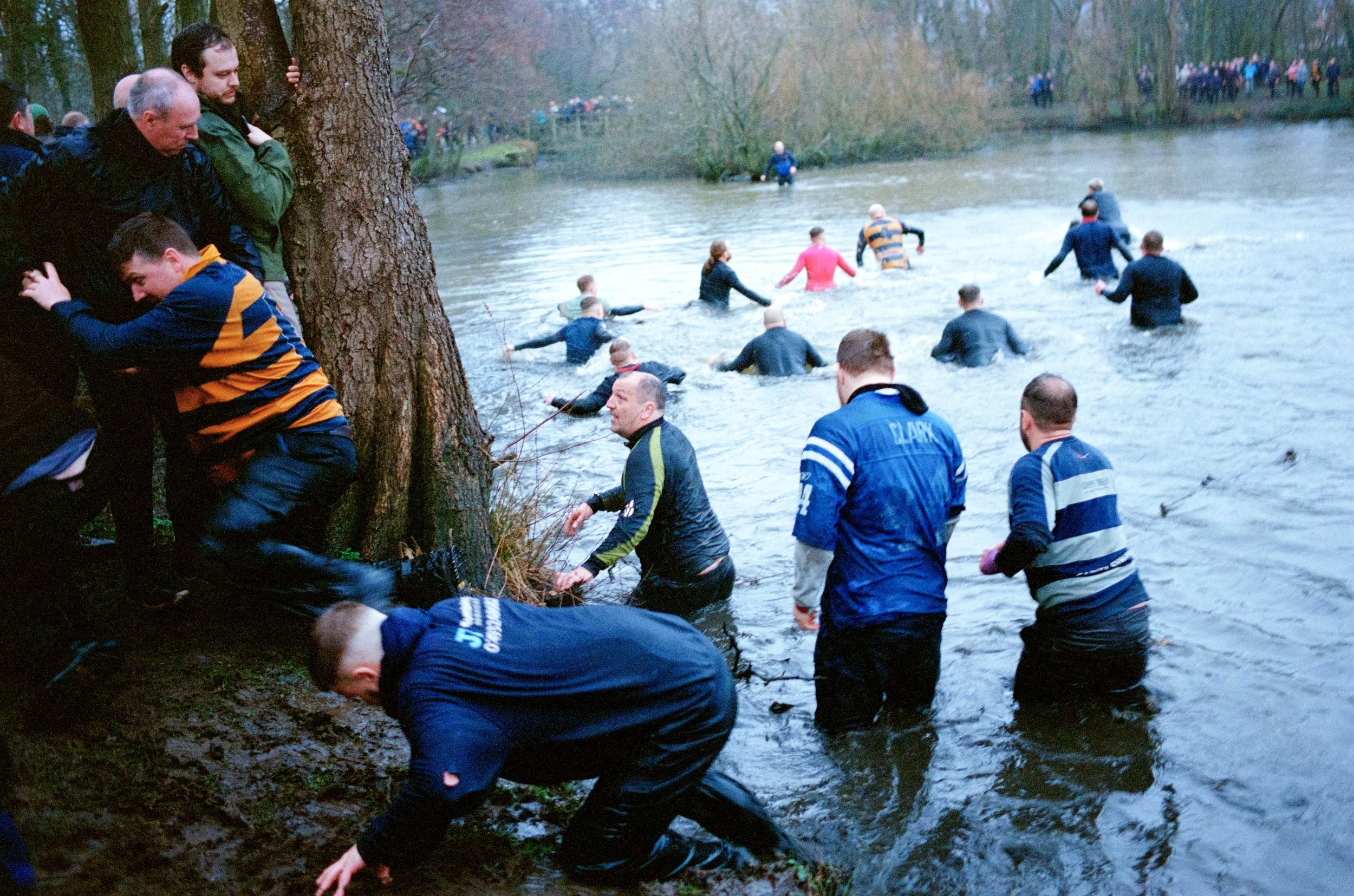
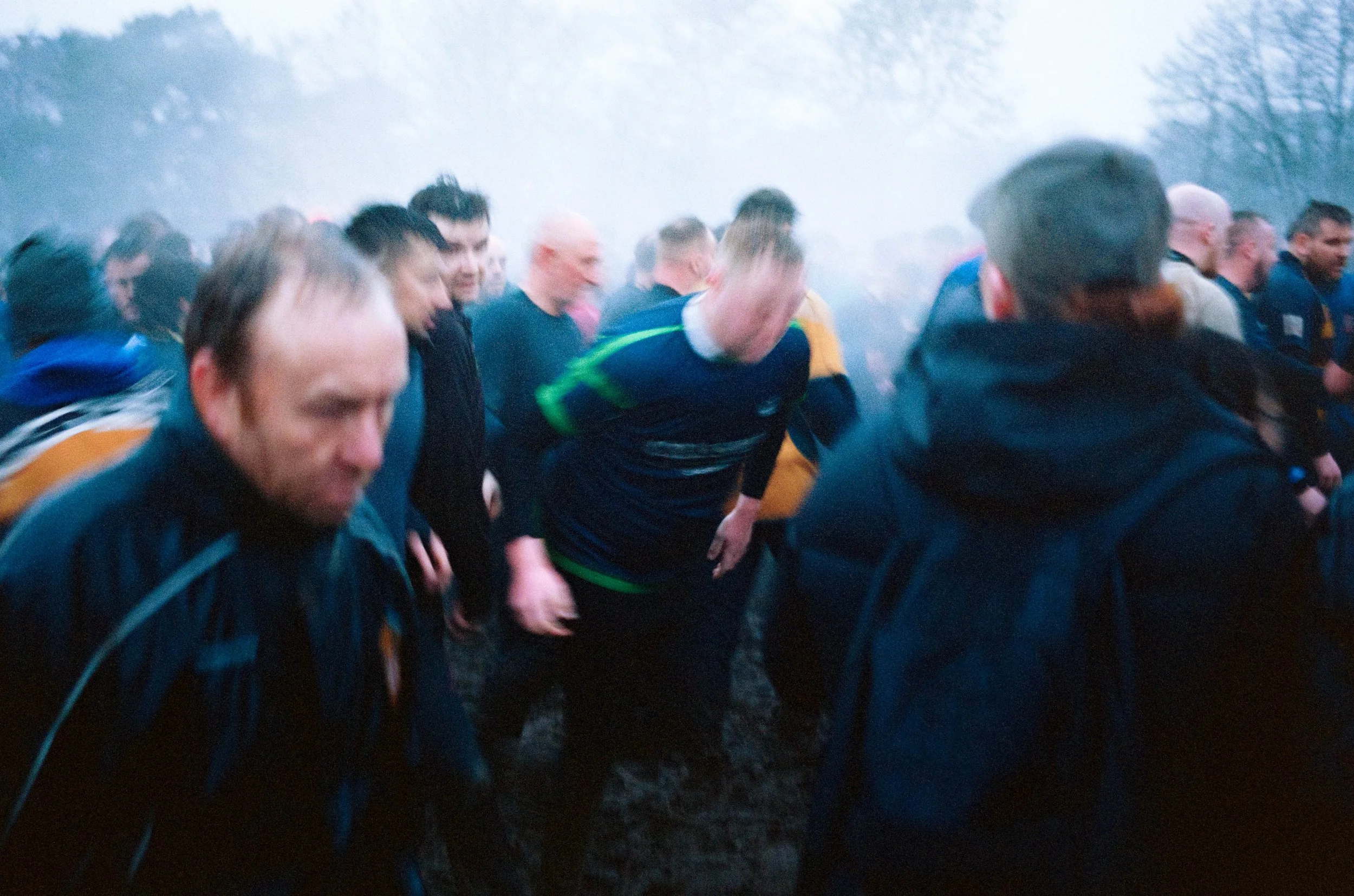
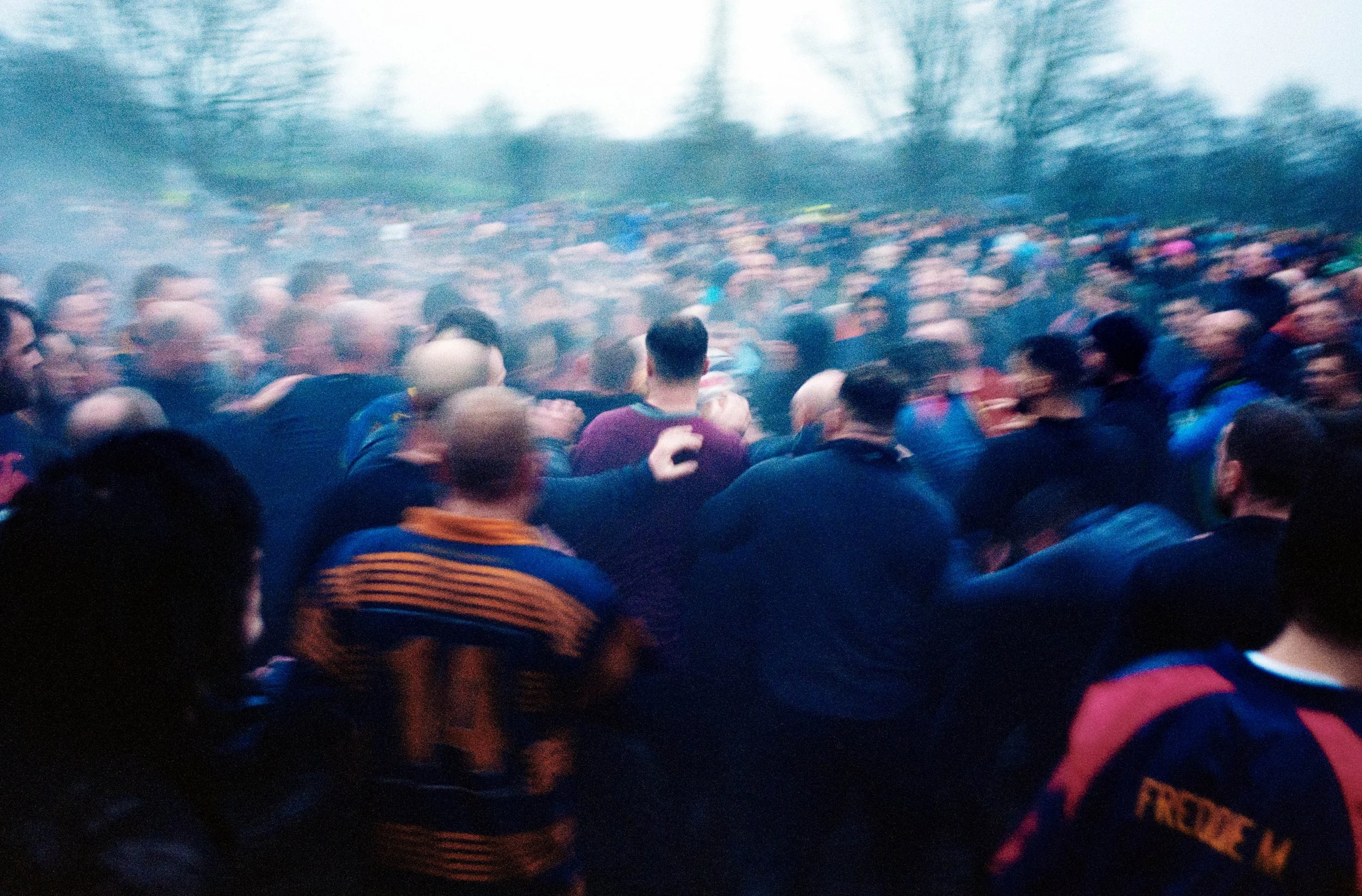
The game pits the Up’ards, traditionally those born north of the Henmore Brook, against the Down’ards, those born south of it. Each match can last up to eight hours, and the aim is to get the ball to your team’s goal and strike it against the stone three times. The two goals stand around three miles apart, and hundreds of players battle it out over two days, often in freezing rain and across muddy, waterlogged fields.
There are virtually no boundaries to the playing field. The action spills through the streets, across fields and even into pubs if the ball happens go in. In preparation, residents move their cars out of the way, while shops and homes take precautions to protect themselves from the chaos.
Despite the apparent lack of boundaries, the game has just three simple rules: stay out of the town cemetery, never hide the ball in a vehicle, and, above all, don’t kill anyone.
But Royal Shrovetide Football is about much more than brute force and physical endurance. At its heart lies a powerful sense of community and belonging. The game begins when a respected local figure, known as the turner-up, throws the ball into the crowd. Each side also has its own goal scorer, chosen during the match. This is often someone from a well-established local family, whose roots in the town go back generations.
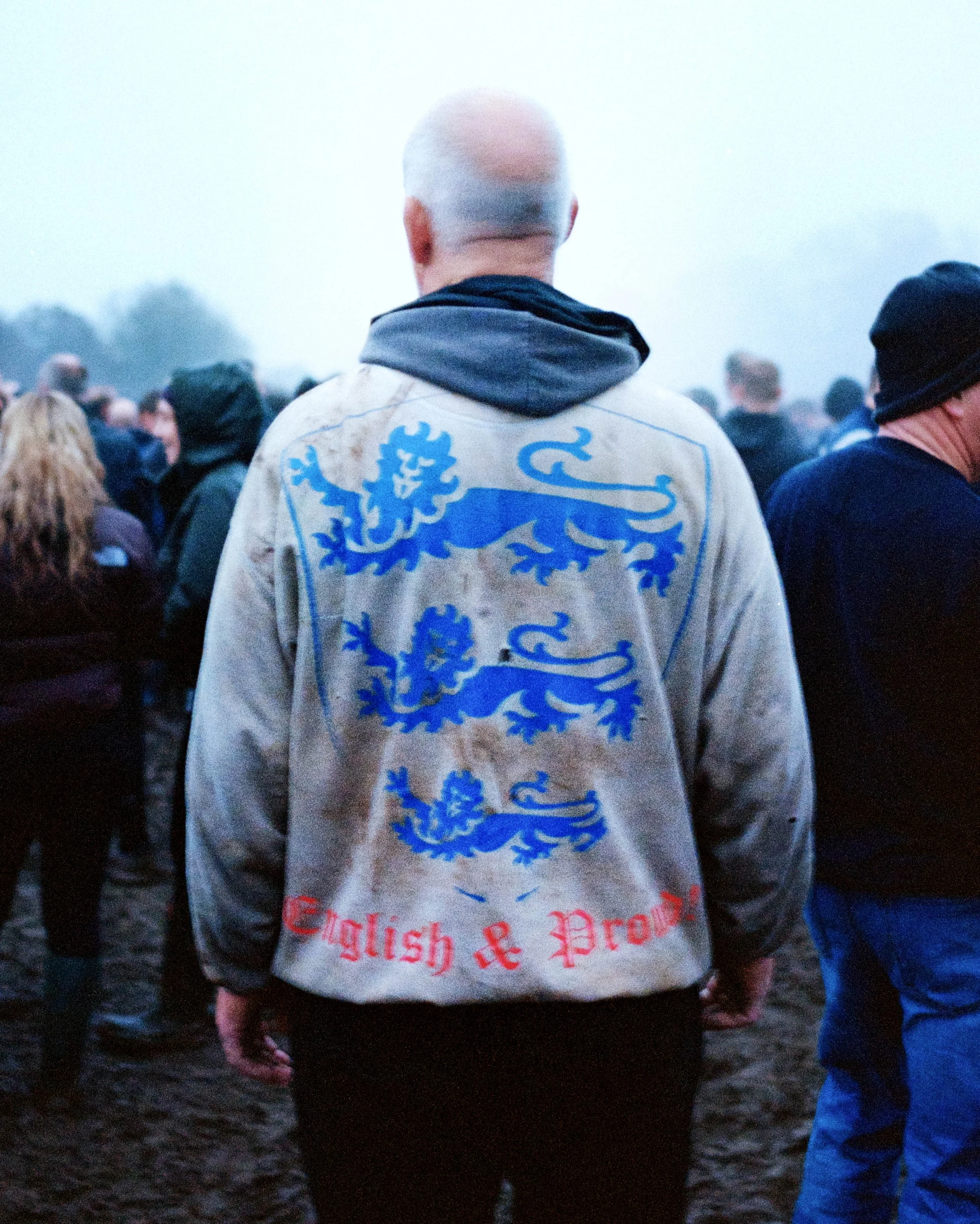
More than just a sporting event, Royal Shrovetide Football reflects the spirit of an entire community. It offers a glimpse into a side of England where local identity, heritage and tradition remain very much alive.
“It’s so much more than just a game.”